5 Vital Recovery Tips for Filipino Homeowners Post-Typhoon
Estimated reading time: 10 minutes

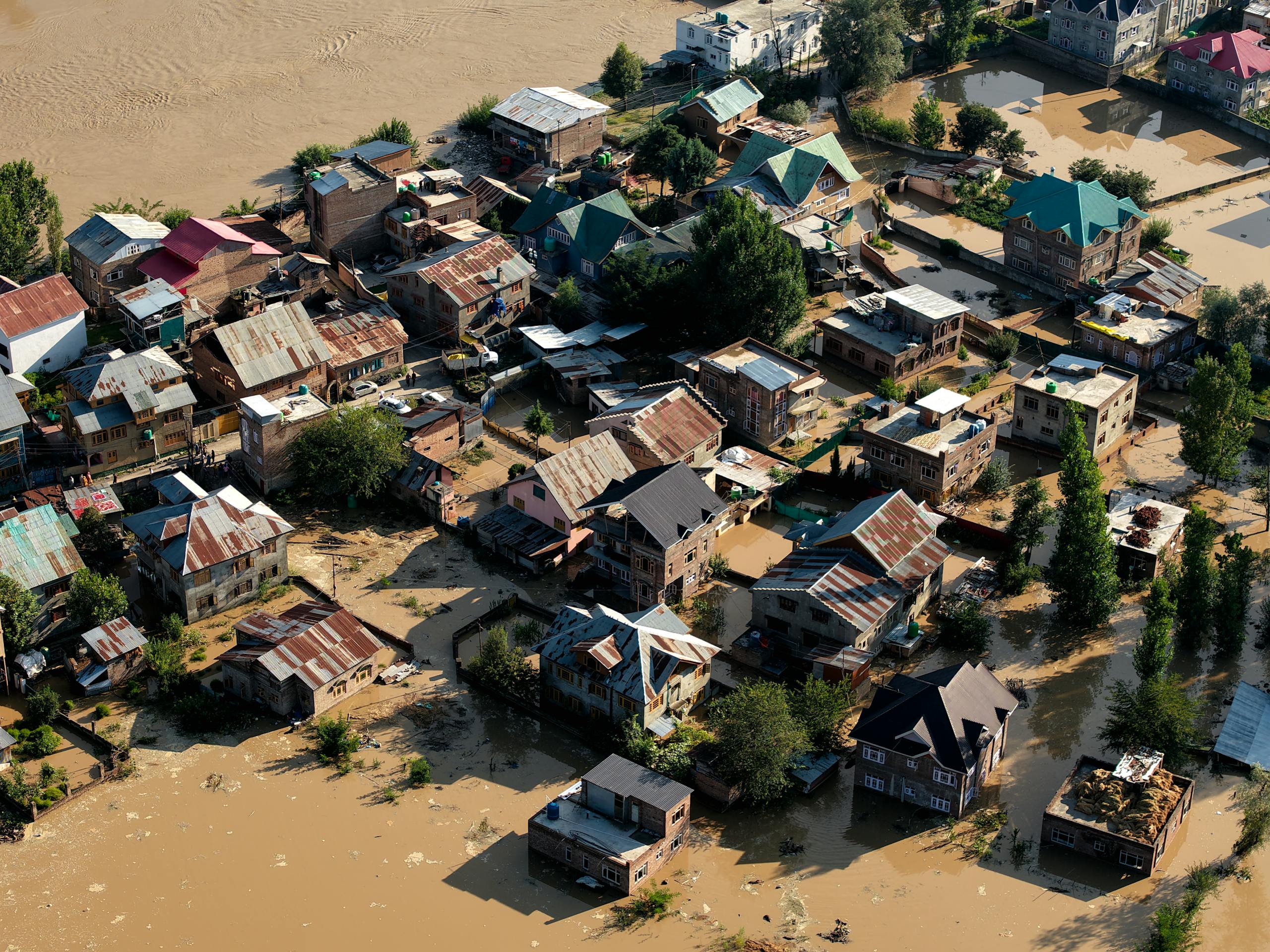
The recent onslaught of Typhoon Tino and Typhoon Uwan Fung Wong left a trail of devastating floods and significant damages, particularly in Cebu. Beyond the immediate chaos of submerged homes and displaced communities, these events serve as a stark reminder of the urgent need for robust disaster preparedness, resilient infrastructure, and a proactive approach to urban development. As proactive home owners, navigating the aftermath of such calamities requires more than just immediate fixes; it demands a comprehensive strategy for long-term recovery and resilience. This is why we’ve put together a crucial guide to empower you in rebuilding stronger, smarter, and more sustainably.
The typhoons’ impact has regrettably exacerbated existing concerns surrounding flood control infrastructure, government corruption, and the consequences of unsustainable environmental practices, including destructive mining. While community outreach and immediate aid are vital, the path to true recovery lies in moving beyond reactive responses to a strategic, forward-thinking approach.

Typhoon Aftermath: 5 Step Roadmap for Recovery
Experiencing house flooding is traumatic. It disrupts lives, shatters peace of mind, and often leaves a feeling of helplessness. But with a structured approach, you can regain control and build back better. Here’s a detailed roadmap to guide typhoon survivors in navigating life after the storm.
Step 1: Holistic Home Assessment – Your Foundation for Recovery
The first critical step is to thoroughly assess the extent of the damage to your home and property. This isn’t just about visible destruction; it’s about understanding the underlying vulnerabilities that structures your future construction decisions.
House Site Location
The most crucial question to ask is whether your current location remains viable. Areas situated in low lying areas within the flood plains are prone to rising water levels. Repeated flooding might necessitate a difficult but critical decision: should you relocate, undertake extensive repairs, or pursue a significant renovation?
See this simple Post-Typhoon Assessment Checklist here.Structural Integrity
Floodwaters can compromise foundations, walls, and roofs. It’s imperative to check for cracks, shifted elements, or signs of weakening. What’s more to visible cracks are integral disturbance that weakens structural support overtime. Consulting a structural engineer helps you uncover deeper damage to prevent sudden collapse.
Plumbing and Drainage System
Flooding can introduce contaminated water and damage pipes, leading to future sanitation issues. An efficient plumbing design and a robust sanitary drainage system are paramount for preventing recurrences and ensuring public health. Consider flood resilient designs, such as elevated systems and backwater valves, integrated with neighborhood flood prevention strategies.
Electrical Connections
Water and electricity are a dangerous mix. Ensure all electrical systems are thoroughly inspected by a qualified electrician before attempting to restore power.
Miscellaneous – Furniture, Appliances, Vehicles, etc.
Water damage to personal property including furniture, appliances, and vehicles can range from minor to complete loss. Careful assessment determines repair or replacement needs.
Where to Ask for Help
You don’t have to do it alone.
- Local Government Units (LGUs): Your LGU often provides initial damage assessment, relief coordination, and information on available government assistance programs or disaster preparedness initiatives. Visit local government offices as a collective to raise important concern. Check out their official websites and social media platforms for updated information.
- Private Sectors: Organizations formed by building professionals (e.g. UAP – Architects and PICE – Civil Engineers) shares specialized expertise in structural engineering, architectural design, and building code compliance that are crucial for a thorough and accurate assessment. Consulting certified professionals provides you detailed reports and actionable recommendations, ensuring compliance with local regulations.

Step 2: Improve Your Mindset – From Reactive to Proactive
It’s natural to feel anger and frustration, especially when issues like flood control scandals and corruption come to light. However, dwelling on these emotions, while understandable, doesn’t solve the immediate problem of rebuilding or preventing future disasters. This step calls for a crucial shift: from a reactive mindset to a proactive mindset.
Embrace Long-Term Thinking
Instead of focusing on temporary fixes, envision a long-term strategy for your home’s resilience. How can you future-proof your property against similar events? This involves embracing a philosophy of disaster preparedness and eco-conscious design.
Empowerment Through Knowledge
Understand that while external factors are at play, you have agency in making your home and community safer. This mindset shift is the cornerstone of building truly earthquake resilient and typhoon proof house design. SKINA empowers homeowners and professionals with knowledge, simplifying complex architectural and urban development solutions to environmental and housing problems. We believe that informed decisions are the best defense against future adversities.
Step 3: Plan for the Long Term – Building for a Resilient Future
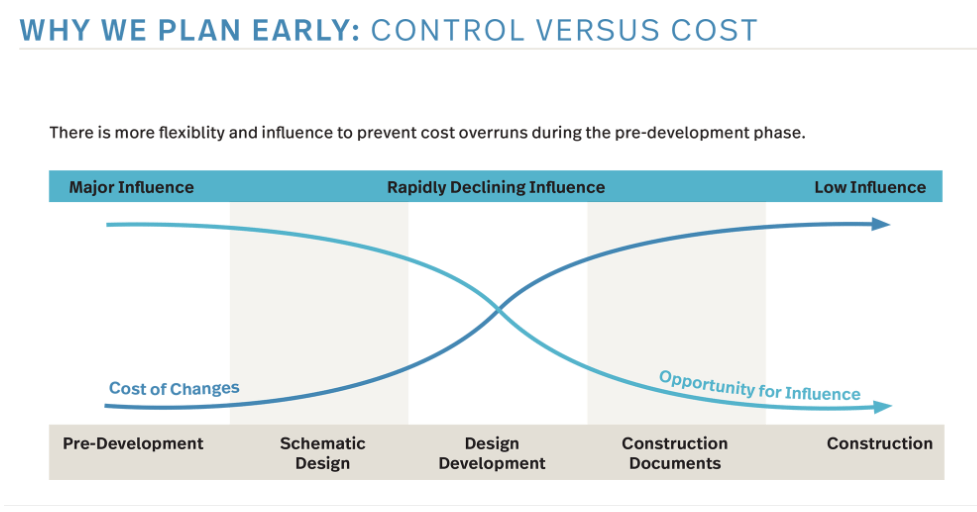
With a holistic assessment and a proactive mindset, the next step is comprehensive planning. This stage lays the groundwork for rebuilding or renovating to higher, more resilient standards.
Consider Construction Standards for Safety and Security
This is non-negotiable. Building codes exist for a reason – to protect lives and property. Ensure your plans adhere strictly to the National Building Code of the Philippines, as well as international best practices for tropical design and building construction. SKINA provides access to building code guided tools and resources to help you understand and implement these standards effectively.
Budget and Timeframe
Realistic planning for both financial resources and project duration is essential. Explore various financing options, including potential disaster relief loans, insurance claims, and personal saving. Check out this Home Loan calculator for reference.
Seek Resources
- Financial Institutions: Banks and other lending institutions may offer specific loans or programs for disaster recovery and home improvement.
- Homeowner Rights: Familiarize yourself with your rights as a homeowner, especially concerning insurance claims, contractor agreements, and property regulations. SKINA can provide guidance on navigating these legal and contractual aspects.
Step 4: Coordinate with the Right People – The Value of Professional Guidance
In the construction industry, anyone can claim to build, but accountability and expertise are what set professionals apart. This step emphasizes the importance of entrusting your recovery to qualified and responsible individuals.
Accountability and Liability
The Civil Code of the Philippines clearly states the liability of civil engineers, architects, and constructors for defects in their work. This legal framework underscores the importance of choosing licensed and reputable professionals.
Read more information about the Civil Code, Article 1723 here.Consult Professionals
- Architects: For sustainable and resilient home design, incorporating elements like strategic site orientation and effective space planning helps you work in harmony with nature.
- Civil Engineers: For structural integrity, foundation design, and drainage solutions.
- Licensed Contractors: To ensure quality workmanship and adherence to plans and codes.
SKINA’s Professional Network
We facilitate connections between homeowners and a curated network of reliable, licensed professionals. Whether you need free initial advice or negotiated paid guidance for extensive projects, SKINA ensures you connect with experts who uphold the highest standards of quality and accountability. Our platform simplifies the process of finding trusted partners who can translate urban development challenges into resilient real estate opportunities.
Fill out the form here to join the waiting list.
Step 5: Invest in Sustainable Solutions – Building a Future-Proof Home
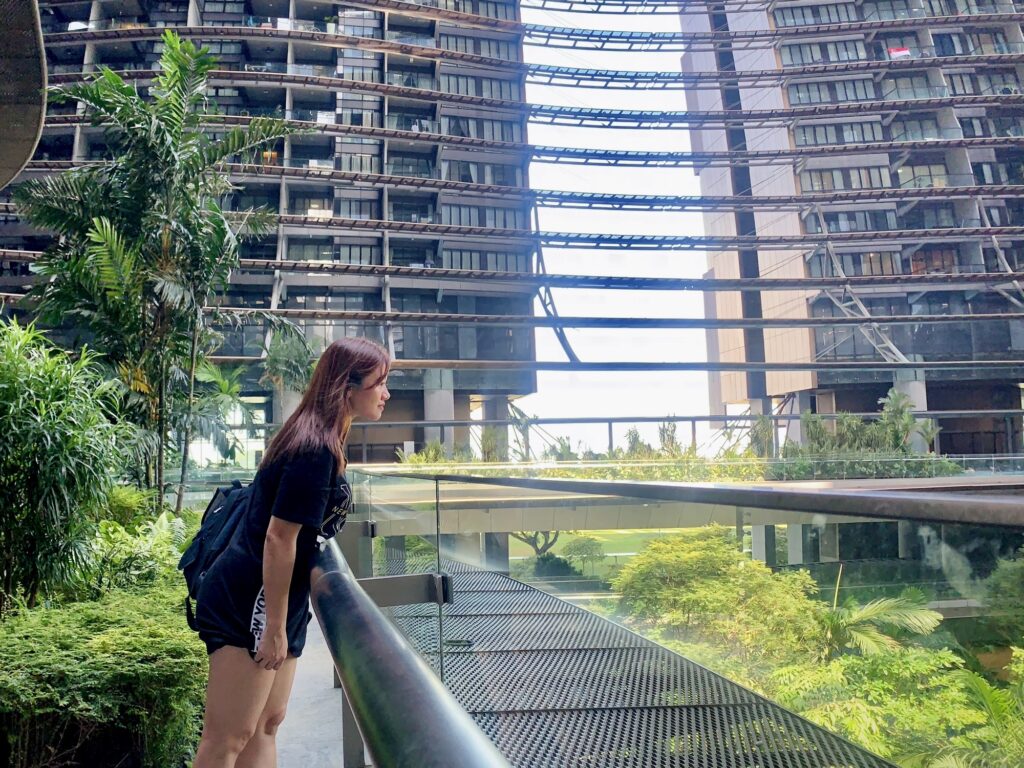
This final step is where proactive planning truly shines, transforming a disaster into an opportunity to build a truly future-proof, eco-friendly house that is both resilient and contributes positively to its environment. Check out this Guide about building a resilient home.
1. Structural Resilience
- Design the Roof to Withstand Wind Forces: Implement roofing clips, strong fastening systems, and appropriate roof pitches to resist typhoon-force winds.
- Secure Foundations: Ensure foundations are properly engineered, deep, and tied into the structure, especially in areas prone to seismic activity for earthquake resilient house design.
- Prevent Water Damage by Waterproofing: Invest in high-quality waterproofing for foundations, walls, and roofs. Consider elevated living spaces and resilient materials that can withstand prolonged moisture.
2. Energy Efficiency (Electricity, Backup Power, Solar Panel)
- Embrace energy efficient house solutions. Install solar panels for a reliable, renewable energy source, reducing dependence on the grid and providing backup power during outages.
- Consider battery storage systems to maximize solar energy utilization.
3. Water Conservation, Recycling, and Preservation
- Monitoring Water Consumption: Track and manage your monthly demands and determine conservation strategies and alternative sources. Check out our Water Consumption Calculator here.
- Water Storage Presence: Ensure adequate water storage tanks for both potable and non-potable uses, providing a critical resource during emergencies.
- Rainwater Harvesting: Collect rainwater for non-potable uses like gardening and toilet flushing, reducing strain on municipal water supplies.
- Water Recycling (Greywater Systems): Implement systems to recycle greywater (from sinks, showers, laundry) for irrigation.
- These initiatives are not just eco-friendly; they enhance self-sufficiency and disaster preparedness.
4. Indoor Air Quality (Balance Ventilation with Plants and Outdoor Vegetation)
- Design for natural cross-ventilation to ensure fresh air circulation, crucial for health and comfort in tropical climates.
- Strategically place outdoor vegetation and native plants as windbreaks to protect your home and improve air quality.
- Indoor plants can further purify air and contribute to a healthier living environment.
5. Food Supply (Native Plants like Malunggay for Edible Garden and Herbal Plants)
- Cultivate an edible garden with native plants like malunggay (moringa), which is highly nutritious and resilient.
- Include herbal plants for medicinal and culinary uses, contributing to household self-sufficiency and food security, especially during prolonged disruptions. This ties into the broader vision of resilient communities and sustainable living.
Building a Resilient Tomorrow with SKINA
The challenges posed by typhoons like Tino and Uwan Fung Wong are significant, but they also present a unique opportunity for transformation. By adopting this Typhoon Aftermath: 5 Step Roadmap for Recovery, Filipinos can move beyond simply reacting to disasters and instead build truly resilient, sustainable, and future-proof homes and communities.
Don’t wait for the next storm to consider your home’s resilience. Take a proactive step today towards a safer, stronger, and more sustainable future.
Key Takeaways
- A holistic home assessment, evaluating structural integrity, site viability, and essential systems, is the foundational first step, often requiring professional assistance.
- Shifting from a reactive to a proactive mindset is vital for long-term resilience, emphasizing disaster preparedness and sustainable design over temporary fixes.
- Comprehensive long-term planning, adhering to Philippine building codes and tropical design principles, is essential for rebuilding stronger and more safely.
- Coordinating with licensed professionals (architects, civil engineers, contractors) ensures accountability, quality workmanship, and adherence to resilient design standards.
- Investing in sustainable solutions like structural resilience, energy efficiency , water conservation, improved indoor air quality, and edible gardens creates a future-proof, eco-friendly home.
Are you ready to rebuild smarter and stronger?
Explore SKINA’s comprehensive tools and services to get a head start on your project. Follow us on Instagram and send us a message for more personalized recommendations.