

7 Condo Rights Filipino Homeowners Wish They Knew Sooner
Estimated reading time: ~7-8 minutes
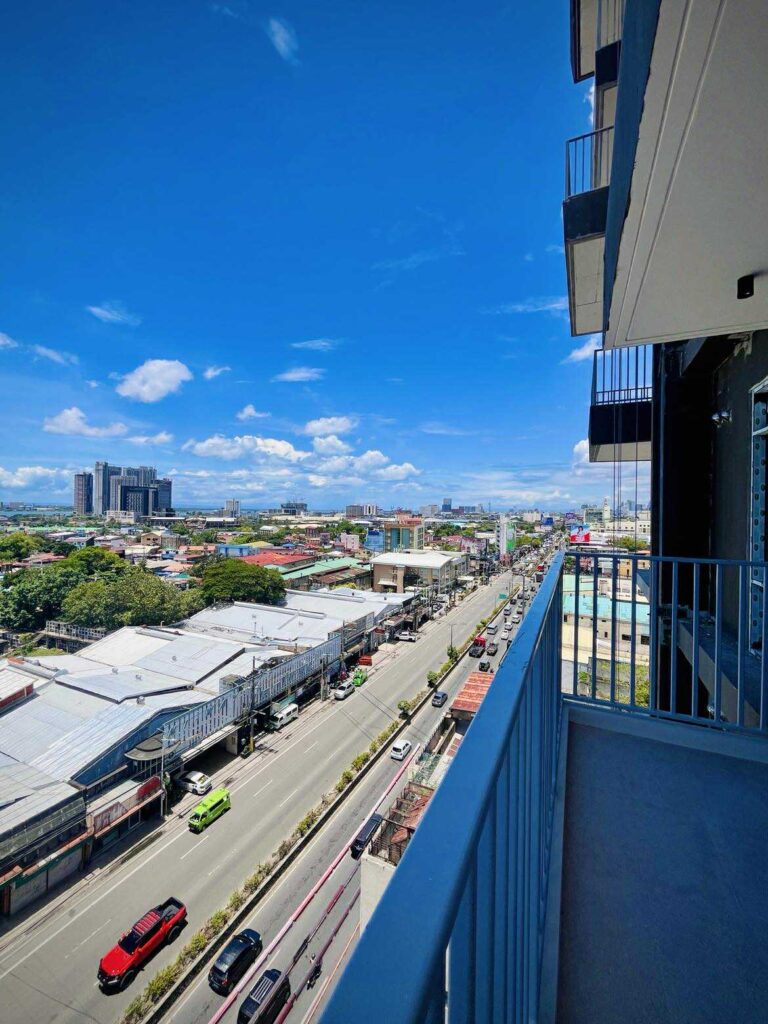
The Philippines, a vibrant archipelago, is continually evolving, with bustling cities seeing rapid urban development and innovative real estate projects. As more Filipinos choose the convenience and modern amenities of condominium living, a unique set of challenges and opportunities arise. From the micro-details of managing daily life in a shared space to the broader implications of urban planning, understanding your rights as a homeowner is paramount. At SKINA, we believe that empowered homeowners build better communities and more resilient, eco-friendly homes. This week, we delve into a crucial topic: Philippine homeowner rights concerning common condominium disturbances and disputes.
Living in a condominium offers many perks, but it also comes with shared responsibilities and the potential for friction. Whether it’s the insistent beat from a neighbor’s party, a dispute over parking, or concerns about how your association fees are being spent, these issues can quickly turn your dream home into a source of stress. Knowing your rights, backed by Philippine laws and regulations, is your first line of defense and a powerful tool for proactive homeowners seeking harmonious living.

The Foundation: Republic Act No. 4726 – The Condominium Act
At the heart of condominium ownership in the Philippines is Republic Act No. 4726, also known as The Condominium Act. This law defines a condominium, establishes the framework for its ownership and management, and outlines the rights and obligations of unit owners. It’s the primary legal instrument that governs many aspects of your condo life, from the definition of common areas to the powers of the Condominium Corporation. Any homeowner proactive in understanding their property should familiarize themselves with this foundational law, alongside their specific Condominium Declaration and By-Laws.
Common Condo Disturbances and Your Legal Recourse
Let’s explore some of the most frequent disputes in condominium living and how Philippine laws and established practices can guide you.

1. Noise Pollution: Seeking Peace in Shared Spaces
The sounds of city life are inescapable, but within your home, you expect a certain level of peace. Noise pollution from neighbors—be it loud music, incessant barking, or ongoing renovations—is a common complaint.
- Your Rights: While there isn’t a single “noise pollution law” specific to condos, Article 694 of the Civil Code of the Philippines defines a nuisance as “any act, omission, establishment, business, condition of property, or anything else which…annoys or offends the senses…or obstructs or interferes with the free use of property.” Excessive noise can certainly fall under this. More importantly, your Condominium Corporation’s By-Laws and House Rules almost always contain specific provisions regarding noise levels, quiet hours, and proper conduct to ensure peaceful coexistence.
- Noise pollution in the Philippines is governed by national laws like the Civil Code (RA 386) for nuisance and the Clean Air Act (RA 8749), alongside specific regulations from agencies like the DENR and NPCC setting decibel limits (e.g., 55dB day/45dB night for residential) and local ordinances, with enforcement through barangay mediation and police action, targeting sources from vehicles to loud gatherings.
- Other Legal Frameworks:
- Republic Act No. 386 (Civil Code): Defines noise as a form of nuisance, protecting the right to peaceful enjoyment of property (Articles 694, 682).
- Republic Act No. 8749 (Philippine Clean Air Act): Classifies noise as an environmental issue, linking it to air quality.
- National Pollution Control Commission (NPCC) Standards: Sets permissible noise levels (e.g., 55 dB daytime, 45 dB nighttime in residential zones; 50 dB in silence zones).
- Local Government Ordinances: LGUs enforce these national standards with specific local rules.
- Actionable Advice: First, review your condo’s house rules. If a violation occurs, document it (time, date, nature of noise). Communicate politely with your neighbor first. If unresolved, report it to the Condominium Association’s administration or Board, who are mandated to enforce the rules. For extreme or persistent cases, local government ordinances on noise may also apply, or you might consider seeking legal advice through the Department of Human Settlements and Urban Development (DHSUD), which handles housing-related disputes.
2. Pets: Furry Friends and Feathery Foes
Pets are family to many, but not all condominiums are pet-friendly, or they may have strict policies. Disputes often arise regarding pet types, sizes, waste management, or noise.
- Your Rights: Your rights regarding pets are primarily dictated by your Condominium Declaration, By-Laws, and House Rules. These documents should clearly state the pet policy: whether pets are allowed, what types/sizes, leash rules, designated areas, and waste disposal. RA 4726 empowers the Condominium Corporation to establish such rules.
- Actionable Advice: Before moving in, always clarify the pet policy. If you’re a current owner, ensure your pet complies. If a neighbor’s pet is causing a nuisance (e.g., excessive barking, improper waste disposal), follow the same reporting procedure as noise pollution, referencing the specific house rules violated.
3. Limited Parking Slots: The Battle for Space
Parking is a premium in urban centers, and limited slots in condominiums can lead to significant disputes over designated areas, guest parking, and unauthorized vehicles.
- Your Rights: Your parking rights are defined by your Condominium Certificate of Title (CCT), if the slot is individually owned, or by the Condominium Declaration and House Rules if it’s a common area managed by the corporation. Some units come with deeded parking spaces, while others rely on a “first-come, first-served” or assigned system.
- Actionable Advice: Understand if your parking slot is an accessory unit (part of your CCT) or a common area privilege. Report any unauthorized use of your designated spot to the administration. Advocate for clear, well-enforced parking policies if management is lax, perhaps by raising the issue with the Board.
4. Short-term Rentals: Neighbors or Hotel Guests?
The rise of platforms like Airbnb has led to conflicts, with unit owners renting out their spaces for short terms, sometimes disrupting the residential character of the building.
- Your Rights: This is a contentious area. The ability of a Condominium Corporation to prohibit or regulate short-term rentals is typically outlined in its Declaration of Restrictions and By-Laws. Many corporations argue that such rentals violate the building’s residential purpose, pose security risks, and increase wear and tear on common areas. Some local government units (LGUs) are also starting to issue ordinances regarding short-term rentals.
- Actionable Advice: Check your condo’s rules regarding leasing and short-term rentals. If you believe such rentals are causing issues (e.g., security breaches, excessive noise from transient guests), raise your concerns with the Condominium Board. Support initiatives to create clear, fair policies that balance property rights with community welfare.
5. Assessment and Fee Disputes: Where Does Your Money Go?
Condominium ownership involves monthly association dues and sometimes special assessments. Disputes often arise over how the board prioritizes repairs, manages reserve funds, or allocates the budget for amenities and services.
- Your Rights: Under RA 4726, unit owners have the right to inspect the books and records of the Condominium Corporation (Article 20). This includes financial statements, budgets, and minutes of board meetings. The corporation is mandated to manage common funds transparently.
- Actionable Advice: Attend general membership meetings. Review financial reports. If you suspect mismanagement or abuse of power, request an audit. If concerns persist, a formal complaint can be filed with the DHSUD against the Condominium Corporation for non-compliance with its duties or alleged financial irregularities.
6. Maintenance and Repair Responsibilities: Who Fixes What?
When a leak springs or a common area amenity breaks, who is responsible for the repair? This can be a significant source of contention, especially with delayed or substandard repairs.
- Your Rights: The Condominium Act (RA 4726) clearly distinguishes between “private” parts (your unit) and “common” areas. Generally, the unit owner is responsible for maintenance and repairs within their unit, while the Condominium Corporation is responsible for common areas (e.g., hallways, lobbies, exterior walls, structural components, central plumbing/electrical systems). Your Condominium Declaration further details these responsibilities. For structural issues or major leaks originating from common areas, the corporation is responsible.
- Actionable Advice: Understand the delineation of responsibilities outlined in your condo documents. For leaks or structural issues, immediately report it to the administration, providing photographic evidence and details. Follow up consistently. If repairs are delayed or substandard, highlight the potential for further damage and liability. This is where SKINA’s focus on quality assurance becomes critical—bad initial construction, even in common areas, can lead to persistent issues and disputes. Our platforms can help homeowners understand basic building standards to effectively communicate deficiencies and advocate for proper repairs.
7. Governance and Transparency Issues: Holding the Board Accountable
Lack of transparency, perceived board mismanagement, abuse of power, or disputed elections can erode trust and destabilize a condominium community.
- Your Rights: Unit owners have the right to participate in the election of the Board of Directors, attend general meetings, and access corporate records (financials, minutes). RA 4726 also provides mechanisms for unit owners to call special meetings and even remove board members under certain conditions. The Securities and Exchange Commission (SEC) is the primary government agency where condominium corporations are registered, and they have oversight on corporate governance, though specific housing disputes often fall under DHSUD.
- Actionable Advice: Actively participate in community governance. Elect competent and trustworthy individuals to the board. If you observe consistent lack of transparency or mismanagement, gather evidence, raise the issue in general meetings, and if necessary, explore legal avenues through DHSUD or SEC. Empowering communities through knowledge and adherence to proper procedures is key, much like SKINA aims to empower homeowners with knowledge of building codes and best practices.
The Interconnection: From Micro-Leaks to Macro-Urban Planning
It might seem a stretch to connect a dripping faucet in your condo to urban planning, but the truth is, these micro-level homeowner disputes often reflect macro-level challenges in housing and urban development. Shoddy construction leading to leaks and structural issues, for example, isn’t just a maintenance problem; it points to a lack of quality assurance in the building process. Similarly, disputes over parking or shared amenities highlight the pressures of density and the need for thoughtful, disaster-resilient, and eco-friendly urban design that anticipates future needs.
Navigating Disputes: Practical Takeaways
- Read Your Documents: Your Condominium Declaration, By-Laws, and House Rules are your bible. Read them thoroughly upon moving in.
- Communicate: Always try to resolve issues amicably with your neighbor first.
- Document Everything: Keep a record of incidents, communications, and reports.
- Engage with the Administration/Board: They are mandated to enforce rules and manage the property.
- Seek Professional Guidance: For complex or unresolved disputes, consult with legal professionals or relevant government agencies like DHSUD.
By understanding your Philippine homeowner rights and the laws that protect them, you’re not just solving a problem; you’re contributing to a culture of quality, transparency, and sustainable living. Whether you’re dealing with a micro-issue like a plumbing problem or advocating for macro-level improvements in your community, SKINA is here to support your journey towards a safer, more resilient, and harmonious home.
Ready to build with confidence and ensure quality in your home and community?
Explore SKINA’s comprehensive tools and services to get a head start on your project. Follow us on Instagram and send us a message for more personalized recommendations.