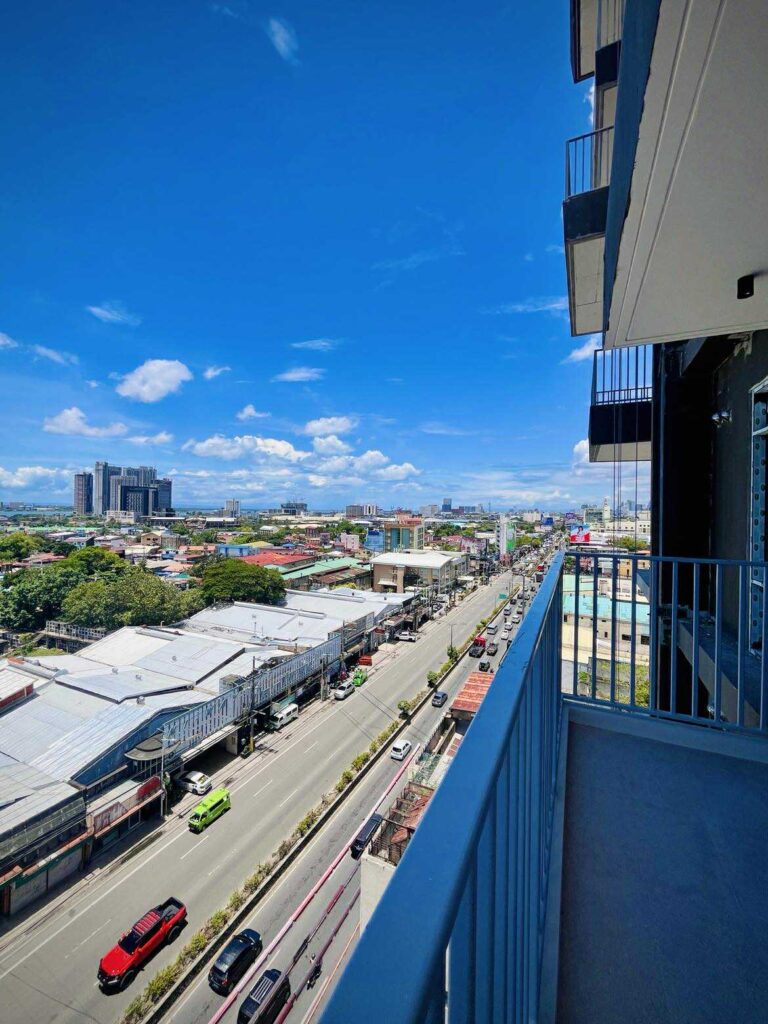

Why is Your Philippine Home Hot? Unmasking 10+ Hidden Causes
What Makes Your Home Hot? Unpacking the Hidden Causes of Indoor Heat in the Philippines
Estimated reading time: 6-7 minutes
Table of Contents
- What Makes Your Home Hot? Unpacking the Hidden Causes of Indoor Heat in the Philippines
- The Invisible Oven: External Factors Shaping Your Home’s Temperature
- Your Home’s Skin: Building Envelope, Orientation, and Openings
- The Materials That Matter: What Your Home is Made Of
- The Mind-Body Connection: How Heat Affects Your Well-being
- The Psychology of Space: More Than Just Temperature
- Intelligent Layouts: Space Planning and Adjacency Matrix
- The Holistic Approach: Cooling Our Homes, Strengthening Our Communities
Living in the Philippines, we’re all too familiar with the relentless tropical heat. Many of us instinctively reach for the air conditioner remote, hoping for instant relief. But have you ever wondered why your home still feels like an oven, even after running the AC for hours, or why some houses seem naturally cooler than others? The truth is, air conditioning is often just a band-aid solution, and to truly achieve a comfortable, healthy, and energy-efficient home, we need to delve deeper into the root causes. Understanding what makes your home hot is the first step towards creating a more sustainable and pleasant living environment for your family.
At SKINA, we believe in empowering proactive homeowners with the knowledge to make informed decisions about their living spaces. This week, let’s explore the often-overlooked architectural and environmental factors that contribute to indoor heat, impacting not just your comfort, but also your health and well-being.
The Invisible Oven: External Factors Shaping Your Home’s Temperature
Our homes don’t exist in a vacuum. The immediate surroundings play a significant role in how hot our interiors get.
1. The Urban Heat Island Effect
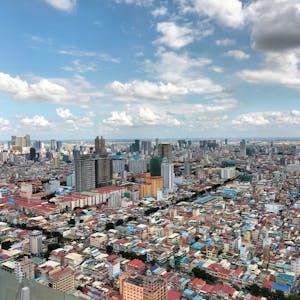
Imagine your city or neighborhood as a giant heat trap. This is the “urban heat island effect,” where built-up areas experience higher temperatures than surrounding rural locales. Concrete, asphalt, and dark building materials absorb and store solar radiation during the day, releasing it slowly at night. In the Philippines, rapid urbanization without adequate green spaces intensifies this effect, making our evenings hotter and reducing natural cooling opportunities. Living in these urban development zones means your home starts at a temperature disadvantage.
2. Adjacent Buildings and Roadside Pavement
Picture a street lined with closely packed structures and wide, dark pavements. These surfaces are excellent heat reservoirs. Heat absorbed by these materials radiates directly into your home, especially if your walls are unshaded or your windows face these heat sinks. The lack of adequate lot setbacks in many densely populated areas also hinders natural air circulation, trapping hot air around your property.
3. Pollution and Air Quality
Air pollution, often prevalent in urban centers, can also trap heat. Particulate matter and gases can create a blanket effect, preventing heat from escaping and affecting the overall air quality around your home. Poor air quality can also make heat feel more oppressive and impact home health.

Your Home’s Skin: Building Envelope, Orientation, and Openings
The way your house is designed and oriented on its lot fundamentally dictates its interaction with the sun and wind. This is where tropical design principles become critical.
1. Building Orientation and Lack of Vegetation
The sun’s path across the sky changes throughout the year. A house that’s poorly oriented might have its longest walls facing east or west, inviting intense direct sunlight for extended periods. This drastically increases indoor heat gain. Furthermore, a lack of strategically placed trees or vegetation around your home means there’s no natural shading to block direct sunlight or cool the surrounding air through evapotranspiration.
2. Window-to-Wall Ratio and Shading
Large windows are beautiful, but an excessive window-to-wall ratio without proper shading (like deep overhangs, trellises, or external blinds) can turn your interior into a greenhouse. Glass, especially single-pane, is a poor insulator and allows significant heat transfer. Think of traditional Filipino bahay kubo designs with their wide eaves – these weren’t just decorative; they were essential for shade and protection from rain.

3. Air Circulation and Ventilation
A well-designed tropical design home prioritizes natural ventilation. This involves strategic placement of windows and openings to create cross-ventilation, allowing cooler air to enter and push hot air out. Without proper air circulation, especially with closed or poorly positioned openings, hot air gets trapped indoors, making the space stagnant and uncomfortable. Even slight adjustments based on prevailing wind patterns can make a huge difference.
The Materials That Matter: What Your Home is Made Of
The construction materials chosen for your home are paramount in determining its thermal performance.
1. Concrete and Lack of Insulation
Concrete is a dominant building construction material in the Philippines due to its durability and resistance to typhoons. However, concrete is an excellent thermal mass – it absorbs and stores a lot of heat. Without proper insulation within walls and roofs, this stored heat is slowly released into your home, especially at night. Many older homes and even some new constructions omit insulation to cut costs, unwittingly creating heat traps.
Traditional vs. Modern Materials:
Consider the bahay kubo – made of bamboo, nipa, and wood, materials with natural insulating properties that breathe and dissipate heat quickly. Modern concrete, while robust, requires careful consideration of insulation to mimic or even surpass the thermal comfort of traditional materials in a tropical climate.
2. Roofing Materials
Dark-colored roofs (e.g., dark tiles, unpainted galvanized iron) absorb significantly more solar radiation than light-colored or reflective ones. Without adequate roof insulation and proper ventilation in the attic or ceiling space, this heat radiates directly into your living areas below, making the ceiling a major source of indoor warmth.

The Mind-Body Connection: How Heat Affects Your Well-being
Beyond mere discomfort, a hot and humid living space can have profound negative impacts on your physical and mental home health.
1. Why Does a Hot Space Make You Angry?
Prolonged exposure to heat causes physiological stress. Your body works harder to cool itself, diverting energy and taxing your systems. This constant state of mild stress can lead to increased irritability, reduced patience, and a heightened sense of frustration. Studies have linked hot weather to increased aggression and decreased cognitive function, making simple tasks feel overwhelming.
2. Why Does It Affect Blood Pressure?
When your body tries to cool down, blood vessels near the skin dilate to release heat. This can alter blood flow patterns and, for some individuals, especially those with pre-existing conditions, put extra strain on the heart and circulatory system, potentially affecting blood pressure. Dehydration, common in hot environments, further exacerbates this.
3. How Does It Contribute to Heat Stroke?
At its most severe, excessive indoor heat can contribute to heat stroke – a life-threatening condition where the body’s temperature regulation system fails. Symptoms include confusion, dizziness, rapid pulse, and loss of consciousness. Infants, the elderly, and individuals with chronic illnesses are particularly vulnerable, highlighting the critical importance of keeping our homes cool and safe.
The Psychology of Space: More Than Just Temperature
Beyond the purely physical, how your space is designed can psychologically influence how hot or cool it feels.
1. Warm Color Schemes
While beautiful, a predominance of warm colors like reds, oranges, and deep yellows in interiors can psychologically make a space feel hotter and more intense. Cooler tones (blues, greens, whites) tend to evoke feelings of freshness and calm, even if the actual temperature remains the same.
2. Disharmony of Design Elements
Cluttered spaces, poor lighting, or a jumble of design elements can create a sense of visual chaos and oppression. This mental discomfort can be exacerbated by physical heat, making the space feel even more stifling and unpleasant, impacting your overall peace and home health.
3. The ‘Bad Feng Shui’ Analogy
While rooted in ancient beliefs, the principles of Feng Shui often align with practical architecture for comfort. A “bad feng shui” layout might describe a space where energy (or in our context, air) doesn’t flow well, where certain areas feel oppressive or lack balance. These are often the same issues that lead to poor ventilation and heat retention, contributing to discomfort.
Intelligent Layouts: Space Planning and Adjacency Matrix
The internal layout of your home also plays a critical role in managing heat.
1. Clashing Adjacencies
Consider a kitchen that benefits from ample morning sunlight – great for natural light! But if this sun-baked kitchen is directly adjacent to a bedroom that requires more cooling and shade, the heat generated and stored in the kitchen will easily transfer, making the bedroom unnecessarily warm.
2. Lack of Proper Space Planning
A well-thought-out space planning considers the sun’s path, prevailing winds, and activities within each room. ‘Hot’ zones like kitchens (which generate heat through cooking) and sun-exposed living areas should ideally be separated or buffered from ‘cool’ zones like bedrooms, which require tranquility and lower temperatures for restful sleep. This intelligent zoning is a core principle of energy efficient house design.

The Holistic Approach: Cooling Our Homes, Strengthening Our Communities
It’s clear that cooling our homes in the Philippines requires a comprehensive, integrated strategy that goes far beyond just turning on the air conditioner. It’s about designing and living in harmony with our tropical environment, embracing eco-conscious home principles, and considering disaster preparedness in every decision.
A holistic approach is beneficial not only to one family but also to the entire community and neighborhood flood prevention. When individual homeowners implement sustainable architecture and tropical design principles – like planting trees, choosing reflective roofing, or ensuring proper ventilation – it collectively reduces the heat island effect and improves the living quality for everyone. This interconnectedness is crucial for fostering resilient and thriving communities.
At SKINA, we empower proactive homeowners by providing the expertise and tools to address these challenges. From initial design consultations that optimize building envelope orientation to guiding you through material selection aligned with Philippine building laws, codes, and standards, we ensure your home is not only aesthetically pleasing but also a haven of comfort, health, and energy efficiency. Our solutions are designed to help you navigate real estate developments with confidence, ensuring quality and sustainability in your building construction projects.
Don’t just live with the heat. Understand it, and master it.
Key Takeaways
- Indoor heat is a complex issue driven by both external environmental factors (like urban heat islands and adjacent buildings) and internal architectural choices (orientation, materials, and ventilation).
- Poor building envelope design, lack of insulation, and dark, non-reflective roofing materials are major contributors to heat gain within your home.
- Excessive indoor heat significantly impacts your physical and mental health, leading to irritability, affecting blood pressure, and increasing the risk of severe conditions like heat stroke.
- Implementing `tropical design` principles such as strategic orientation, proper window-to-wall ratios with shading, and effective cross-ventilation are critical for natural cooling.
- A holistic approach involving `eco-conscious home` design, smart `space planning`, and community-level actions (like increasing green spaces) is essential for creating truly comfortable, healthy, and energy-efficient homes in the Philippines.

Ready to transform your home into a cool, comfortable sanctuary?
Follow SKINA on our official social media sites for more innovative insights, join our waiting list for exclusive updates, or subscribe to our weekly blog posts to stay ahead in creating your ideal Philippine home. For personalized guidance on making your home truly resilient and energy-efficient, contact us today for more information and to discuss how SKINA can help you build smarter.