Naturally Cool Your Philippine Home: A Homeowner’s Guide
Cooling Strategies for a Tropical Home in the Philippines: Beat the Heat, Naturally!
Estimated reading time: 7 minutes
Table of Contents
- Cooling Strategies for a Tropical Home in the Philippines: Beat the Heat, Naturally!
- The Filipino Heat Trap: Why Our Homes Get So Hot
- Architectural & Tropical Design Solutions: Smart Ways to Cool Your Home
- Beyond the Home: Connecting Micro-Decisions to Macro Impact
- Practical Takeaways for Proactive Homeowners
Living in the Philippines, we’re no strangers to the heat. As a homeowner, you’ve likely experienced the discomfort of sweltering afternoons and restless nights, making you question your home’s ability to provide true comfort and contribute to your overall home health. It’s more than just turning up the air conditioner; understanding the science and architecture behind how your home interacts with our tropical climate is key to creating a truly comfortable and sustainable living space. This week, we’re diving deep into Cooling Strategies for a Tropical Home in the Philippines, exploring how smart design can transform your everyday comfort, reduce your energy bills, and enhance your quality of life.
At SKINA, we believe that every Filipino homeowner deserves a home that is not only beautiful but also resilient, efficient, and aligned with environmentally conscious living. Let’s unpack the common causes of indoor heat and discover innovative tropical design solutions that work for our unique environment.
The Filipino Heat Trap: Why Our Homes Get So Hot
Before we can cool down, we need to understand what heats us up. The Philippines, situated near the equator, receives intense solar radiation throughout the year, coupled with high humidity. This combination, as detailed in our comprehensive guide on Philippine home heat causes, creates a unique set of challenges for homeowners. The heat isn’t just external; it’s often trapped and amplified by design choices and materials.
Here are the primary culprits contributing to that stifling indoor heat:
- Direct Solar Radiation: The sun’s path in the tropics means that roofs and walls, especially those facing east and west, bear the brunt of direct sunlight for long periods.
- Lack of Natural Ventilation: Many modern homes in urban areas are built close together, often with limited openings or poor orientation, hindering the crucial flow of air.
- High Thermal Mass Materials (Used Incorrectly): While concrete and masonry are robust, they absorb and store a significant amount of heat during the day, releasing it slowly into your home long after the sun has set. This is particularly problematic for interior walls.
- Inadequate Insulation: Unlike colder climates where insulation keeps heat in, in the tropics, it’s essential to keep external heat out. Many homes lack proper roof and wall insulation.
- Dark-Colored Surfaces: Dark roofs and exterior walls absorb more solar radiation compared to lighter colors, converting sunlight into heat that infiltrates your home.
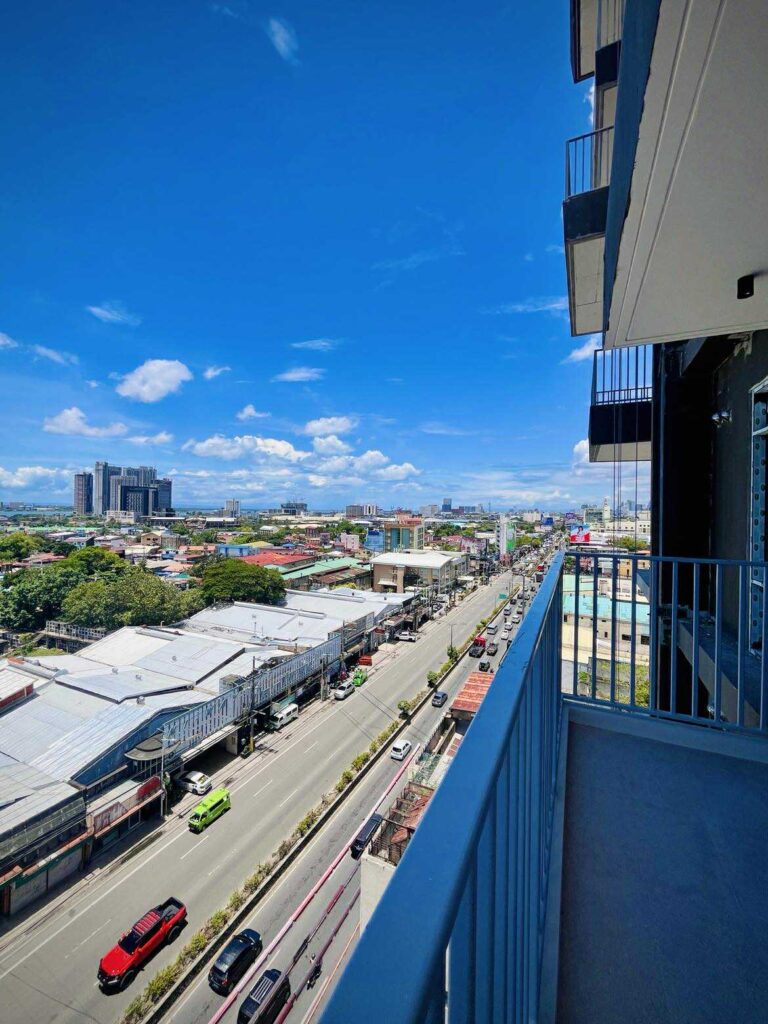
- The Urban Heat Island Effect: In densely populated areas, concrete jungles and asphalt roads absorb and re-emit heat, raising ambient temperatures significantly more than surrounding rural areas. This phenomenon, known as the heat island effect, makes living in the Philippines within urban centers even hotter. Lack of green spaces and extensive paved surfaces exacerbate this issue.
- Internal Heat Gains: Appliances, lighting, and even human bodies generate heat, adding to the indoor thermal load if not properly ventilated.
Architectural & Tropical Design Solutions: Smart Ways to Cool Your Home
The good news is that we don’t have to surrender to the heat. By embracing principles of tropical design and smart architecture, we can create homes that are naturally cooler, more comfortable, and energy-efficient. Many of these solutions draw inspiration from traditional Filipino homes while integrating modern innovations.
1. Strategic Site Planning and Orientation
The very first step in designing a cool home begins with its placement on the lot.
- Orient for the Sun and Wind: Ideally, your home should be oriented to minimize exposure of large wall surfaces to the harsh east and west sun. Long facades should face north and south, where the sun’s angle is less direct. Maximizing openings on the prevailing wind direction (often northeast and southwest in the Philippines) can significantly enhance natural ventilation.
- Buffer Zones: Consider placing less-used rooms like utility areas or garages on the west side to absorb heat, shielding primary living spaces.
2. Innovative Roof Design: Your Home’s First Line of Defense
The roof is the largest surface exposed to the sun and accounts for a significant portion of heat gain.
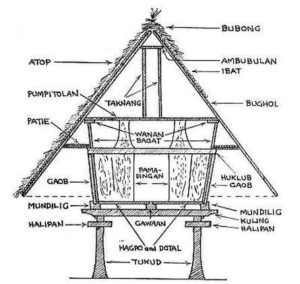
- High-Pitched Roofs with Overhangs: Traditional Filipino homes, like the Bahay Kubo and Bahay na Bato, featured steep, wide-eaved roofs. This isn’t just aesthetics; it’s brilliant tropical design. The high pitch allows hot air to rise away from living spaces and creates an attic void for insulation. Wide overhangs, or eaves, are crucial for shading walls and windows from direct sunlight and protecting them from rain, significantly reducing heat absorption.
- Cool Roof Materials: Opt for light-colored or reflective roofing materials. Light-colored metal roofs with proper insulation, clay tiles, or even “green roofs” (roofs covered with vegetation) can dramatically reduce the roof’s surface temperature. Studies, often found on platforms like ResearchGate, consistently show that light-colored roofs can reflect up to 80% of solar radiation, compared to dark roofs that absorb 80-90%, translating to significant indoor temperature reductions.
- Ventilated Roofs: Creating an air gap beneath the roof material (e.g., between the metal roof and the ceiling insulation) allows hot air to escape through vents, preventing it from transferring into the living space.
3. Smart Wall Construction and Materials
Walls are the second major entry point for heat.
- Insulation is Key: While often overlooked in tropical climates, wall insulation is vital. Materials like mineral wool, rigid foam boards, or even a double-wall system with an air cavity can create a thermal barrier. For exterior walls, light-colored paints reflect sunlight, reducing heat absorption.
- Strategic Thermal Mass: While high thermal mass inside is often detrimental for tropical homes (it stores and radiates heat inwards), strategically placed thermal mass on the exterior can delay heat transfer. However, the general rule for tropical interiors is to prefer materials that don’t retain heat.
- Vines and Green Walls: Growing climbing plants or installing vertical gardens on sun-exposed walls can create a natural “green screen,” significantly lowering the wall’s surface temperature through shading and evapotranspiration.
4. Optimizing Windows and Openings for Airflow and Shade
Windows are dual-purpose: they let in light and air, but also heat.
- Maximize Cross-Ventilation: Place windows strategically on opposite walls to allow air to flow directly through living spaces. Consider floor-to-ceiling windows or sliding doors for maximum airflow when open.
- Shading Devices: Implement external shading devices like louvers, deep window recesses, trellises, or brise-soleil (sun breakers). These allow natural light while blocking direct sun. Traditional Filipino jalousie windows (jalousies) are excellent for controlling airflow and privacy while offering some shading.
- Window Treatments: Internally, use light-colored curtains, blinds, or thermal drapes to block radiant heat when needed.
- High and Low Openings (Stack Effect): For rooms without direct cross-ventilation, consider the “stack effect.” Place low-level openings to draw in cooler air and high-level openings (like clerestory windows or vents) to allow hot, rising air to escape.
5. Embracing Natural Ventilation Strategies
Beyond just windows, integrate architectural features that actively promote airflow.
- Courtyards and Atriums: Internal courtyards or double-height atriums can act as thermal chimneys, drawing hot air upwards and out, while encouraging cooler air to circulate through surrounding rooms.
- Open Floor Plans: Minimize internal walls and barriers to allow air to move freely throughout the house.
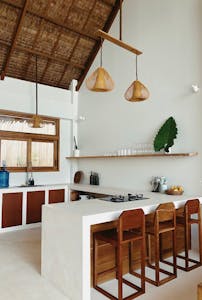
- Pitched Ceilings: Vaulted or pitched ceilings increase the volume of air in a room, allowing hot air to rise away from occupants.
6. Landscaping for a Cooler Microclimate
Your garden isn’t just for aesthetics; it’s a powerful cooling tool.
- Strategic Tree Planting: Plant deciduous trees on the east and west sides of your home to provide shade during critical sun exposure hours. Trees also cool the air through evapotranspiration.
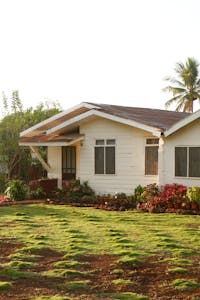
- Ground Cover and Pervious Surfaces: Replace concrete driveways and large paved areas with permeable surfaces like grass, gravel, or pavers with grass joints. These absorb less heat and allow rainwater to infiltrate the ground, reducing the heat island effect at the micro-level and aiding neighborhood flood prevention.
- Water Features: While requiring maintenance and careful design to prevent mosquito breeding, water features can offer localized evaporative cooling.
Beyond the Home: Connecting Micro-Decisions to Macro Impact
The choices you make for your home’s design and materials don’t just affect your comfort; they have a ripple effect on your community and environment. By adopting eco-conscious cooling strategies, you contribute to:
- Reduced Energy Demand: Less reliance on air conditioning means lower electricity bills and a smaller carbon footprint, supporting energy efficient house goals.
- Disaster Resilience: Homes designed with proper ventilation and shading often incorporate features that make them more robust against elements like strong winds and heavy rains, a crucial aspect of typhoon resilient house design.
- Sustainable Urban Development: When many homeowners in an area adopt these practices, it collectively reduces the heat island effect, making entire neighborhoods cooler and more livable. This is a critical consideration for responsible urban development and real estate planning in the Philippines.
Ensuring your home’s quality means going beyond basic compliance. The National Building Code of the Philippines (PD 1096) outlines minimum standards for light and ventilation, but truly proactive homeowners, with guidance from professionals, can achieve optimal performance. By understanding these principles, you’re not just building a house; you’re investing in your family’s health, comfort, and a sustainable future.
Practical Takeaways for Proactive Homeowners
- Educate Yourself: Understand how the sun and wind interact with your property.
- Prioritize Passive Cooling: Before resorting to active cooling systems, explore all passive design strategies. They offer long-term savings and comfort.
- Consult Professionals Early: An architect or designer specializing in tropical design can integrate these strategies effectively from the start, saving you costly modifications down the line. They can help you navigate local building standards and apply best practices.
- Consider Retrofits: Even existing homes can benefit from upgrades like adding roof insulation, installing external shading, or painting roofs a lighter color.

At SKINA, we empower homeowners with the knowledge and resources to make informed decisions about their homes. From understanding the nuances of architecture and tropical design to navigating building codes and connecting with trusted professionals, we’re here to guide you every step of the way. We believe in building not just houses, but sustainable, comfortable, and resilient homes that thrive in the Philippine climate.
Ready to transform your home into a cool, comfortable sanctuary?
Follow SKINA on our official social media sites for more innovative insights, join our waiting list for exclusive updates, or subscribe to our weekly blog posts to stay ahead in creating your ideal Philippine home. For personalized guidance on making your home truly resilient and energy-efficient, contact us today for more information and to discuss how SKINA can help you build smarter.