
Why Become a Global Architect Amidst AI Systems? Filipino Construction Virtual Assistant Story Key Takeaways
Estimated reading time: 7-8 minutes
Table of Contents
The world of architecture design and home construction is transforming through building innovation, global collaboration, and the rise of artificial intelligence. For homeowners across the Philippines, this evolution isn’t about futuristic concepts; it’s about building smarter, safer, and more beautiful homes today.
At the heart of this change, we see the burgeoning role of Filipino virtual assistants and how the Building Information Modeling (BIM) creates exciting opportunities for both professionals and those dreaming of their ideal home.
The impact of artificial intelligence on various industries, including the architectural, engineering, and construction (AEC) sectors, is at the forefront. Experts are discussing how AI isn’t just a buzzword, but a powerful force redefining professional careers and project execution. As homeowners, understanding these shifts is key to making informed decisions, ensuring quality, and achieving environmentally conscious results in your own home design journey.
The AI Revolution in Architecture and Engineering: What is Beyond the Blueprint?
For decades, the image of an architect hunched over a drawing board defined the profession. Today, that image is rapidly evolving. The digital age brought Computer-Aided Design (CAD), and now, artificial intelligence is taking us to the next frontier.
As highlighted in discussions about architecture career tips in the AI economy, the future of design isn’t about AI replacing human creativity, but rather augmenting it.
AI tools are increasingly capable of handling repetitive and time-consuming tasks documenting design changes.
This frees up the architect to focus on higher-level conceptual thinking, problem-solving, and deep client engagement. It shifts the emphasis from meticulous drafting to visionary design, intricate problem-solving, and empathetic client communication.
This also naturally leads to better outcomes in areas like efficient plumbing design, sanitary drainage system optimization, and even identifying optimal locations for fire resistive materials.
More than about individual architects, it’s reshaping construction project management. With AI, professionals can analyze vast datasets to predict project timelines, manage resources more effectively, and even foresee potential issues before they arise.
This proactive approach is vital in the Philippines, a region often grappling with unpredictable weather and complex urban development challenges.
The Power of BIM: Building Information Modeling in the AI Era
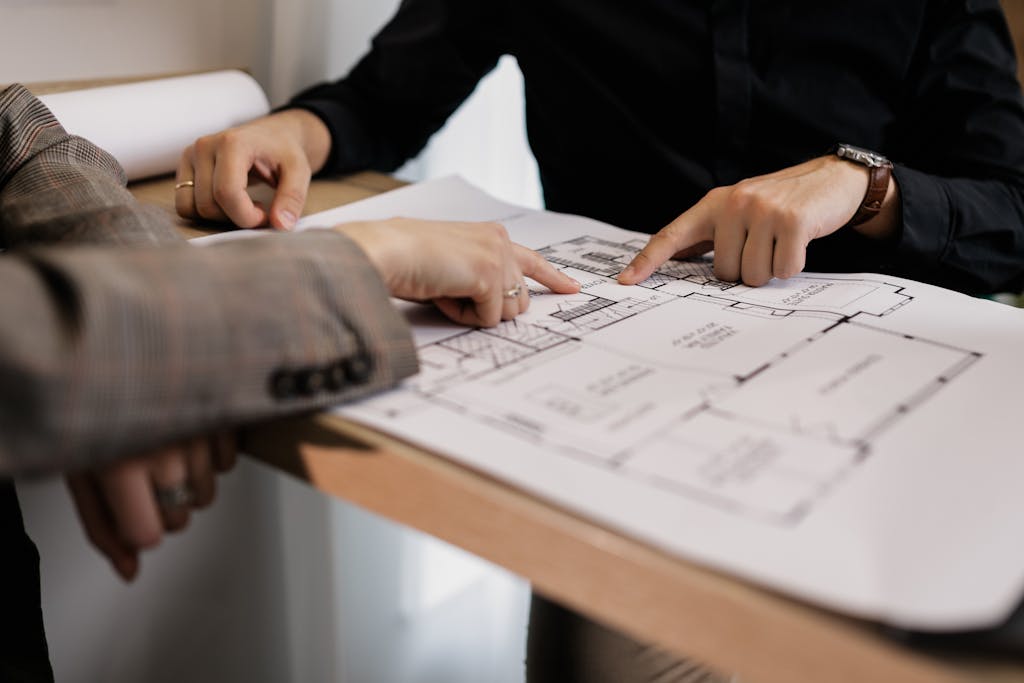
Central to this transformation is Building Information Modeling (BIM). BIM is more than creating 3D software; it’s a process for creating and managing information on a construction project throughout its entire lifecycle. A BIM model isn’t just lines and shapes; it’s a rich database containing every detail about a building – from the type of concrete used to the specific dimensions of a window frame.
When combined with AI, BIM becomes an even more powerful tool. AI can analyze BIM data to:
- Optimize designs – suggest improvements for energy efficient house features or enhance structural integrity for earthquake resilient house design and typhoon resilient house design.
- Improve cost estimation – provide accurate budgets by analyzing material quantities and labor requirements. This directly helps in managing housing costs.
- Detect clashes – identify conflicts between different building systems (e.g., plumbing pipes running through a structural beam) before construction begins, preventing costly rework.
- Simulate performance – predict how a building will perform under various conditions, from energy consumption to evacuation routes.
For homeowners, this means working with professionals who can deliver more precise, cost-effective, and robust house design solutions. It moves us away from guess-work and towards data-driven decisions for your future home tour or plano de casa.
Filipino Virtual Assistants: The Unsung Heroes of the New AEC Landscape
This digital revolution, particularly the rise of AI and BIM, has created an incredible opportunity for skilled Filipino professionals to excel as virtual assistants in the global AEC industry. The Philippines boasts a highly educated, English-proficient workforce known for its adaptability, strong work ethic, and technical aptitude.
Filipino VAs in AEC are not just administrative support; they are specialized experts in:
- BIM Modeling and Drafting: Creating detailed 3D models and construction drawings for various projects, from individual house designs to large-scale real estate developments.
- Project Coordination: Assisting project managers with scheduling, resource allocation, and communication between teams, often leveraging AI-powered tools for efficiency.
- Data Entry and Analysis: Managing project documentation, extracting critical information from designs, and even performing initial analyses that AI can further refine.
- Research and Sourcing: Finding the best fire resistive materials, researching local building codes, or identifying sustainable options for eco-friendly tropical homes.
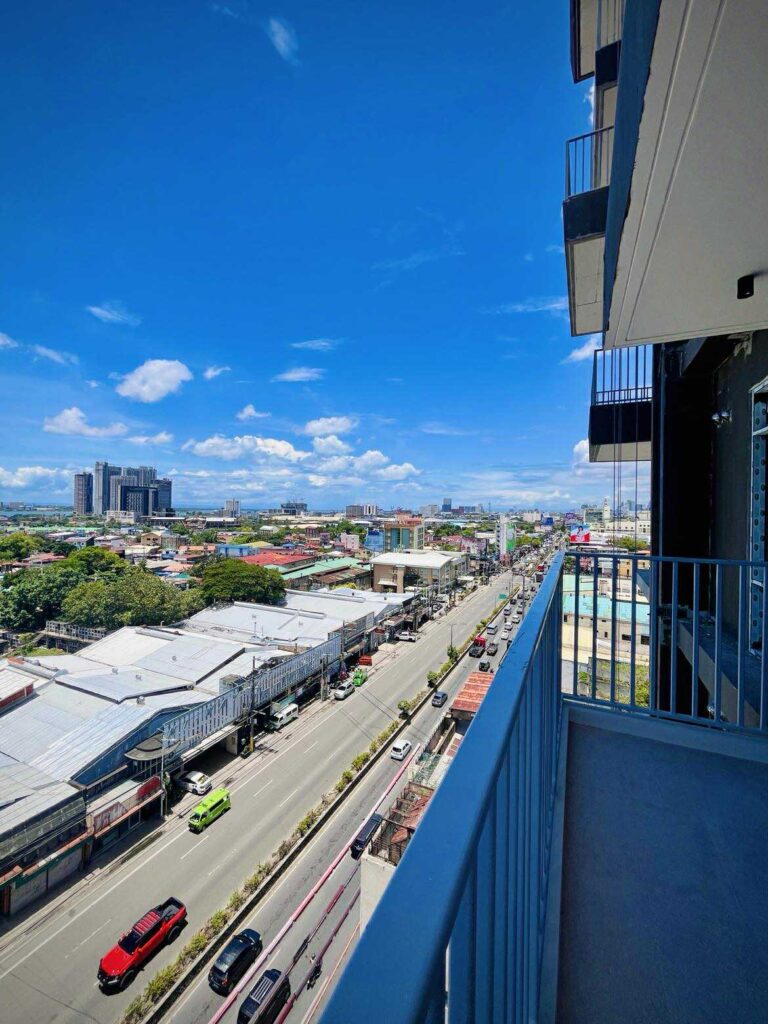
Cities like Cebu City and others are becoming hubs for these highly skilled professionals, contributing significantly to the national economy. This rise of Filipino AEC VAs means that architects and engineers worldwide can scale their operations, access specialized talent, and ultimately deliver higher quality projects.
For homeowners, this translates to working with local firms who, through these global connections, can access world-class expertise and efficiency, potentially making high-end architecture design more accessible and reasonable.
How These Trends Benefit Your Home and Your Neighborhood
The interconnection between these technological advancements, the burgeoning Filipino virtual assistant industry, and your personal home design choices is profound.
1. Elevated Quality and Efficiency
When your chosen architect or builder leverages BIM and AI, potentially supported by a skilled virtual assistant team, you’re investing in a higher level of quality assurance. This means fewer errors, more accurate cost estimates, and a smoother construction process. This integrated approach ensures that even micro details, like fixing plumbing problems, are part of a macro, well-thought-out design.
2. Disaster Resilience by Design
With the Philippines’ susceptibility to natural calamities, disaster resilient design strategies are not optional. AI can help optimize earthquake resilient house design by simulating structural responses to seismic activity, or enhance typhoon resilient house design by analyzing wind loads and suggesting robust roofing and wall systems. Professionals using BIM can integrate specific requirements for these designs, ensuring every component, from the foundation to the roof, meets stringent standards. This is a significant leap from traditional practices that often relied on more generalized rules of thumb.
3. Eco-Friendly and Sustainable Living
The push for eco-conscious home solutions is gaining momentum. AI can analyze energy consumption patterns, recommend optimal passive cooling strategies suitable for tropical design, and even help select sustainable, locally sourced materials. This leads to an energy efficient house that not only reduces your carbon footprint but also lowers utility bills in the long run.
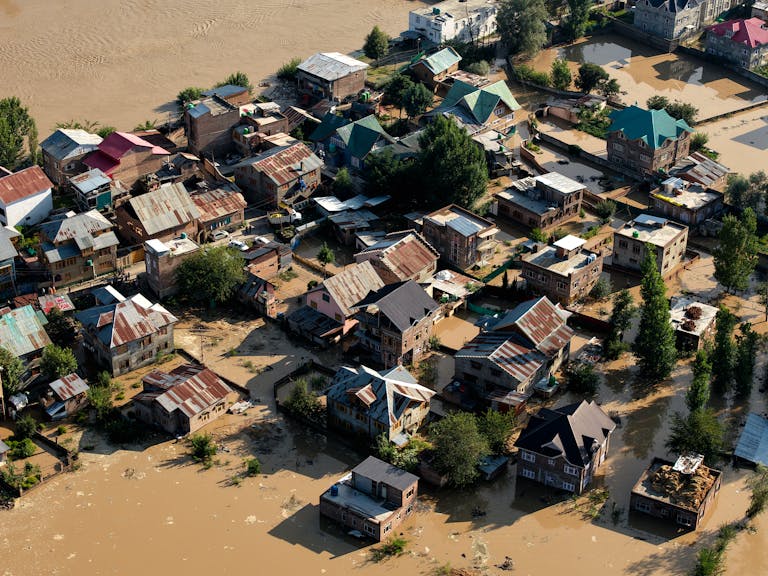
4. Better Urban Planning and Neighborhood Flood Prevention
While individual homes are important, their quality contributes to the larger urban fabric. Architects and urban planners are increasingly using AI and BIM for macro-scale projects. Understanding the effects of informal settling to urban planning is critical, and these technologies can help visualize and plan for sustainable communities, including robust neighborhood flood prevention systems and infrastructure. Ensuring building quality assurance and considering reliable professional guidance at the micro-level directly addresses common household problems and contributes to a healthier, more resilient city.
5. Smart Investment in Real Estate
A well-designed, quality-built home that incorporates modern, resilient, and eco-friendly features holds greater value in the real estate market. It’s a testament to a forward-thinking lifestyle and a sound financial decision. Homeowners with a strong career plan also understand the importance of making wise investments in their properties.
Practical Takeaways for Proactive Homeowners
As you embark on your home building or renovation journey, here’s how you can leverage these insights:
- Ask About Technology: When interviewing potential architects, engineers, or builders, ask them about their previous experience working with recent technology. A professional who adapts to BIM – Building Information Modelling and better workflow systems can offer more efficient, innovative, and precise services.
- Value Integrated Design: Look for professionals who offer comprehensive services, from how to design your dream space to project management, ensuring all aspects of your house are harmonized and optimized.
- Prioritize Resilience and Sustainability: Make it clear that disaster resilient design strategies and eco-friendly tropical homes are top priorities for your modern house design. Professionals using BIM and AI can provide detailed analyses to support these goals.
- Educate Yourself on Basic Building Standards: While you hire professionals, having a basic understanding of building standards and utilizing building code guided tools (like SKINA’s upcoming resources) empowers you to ask the right questions and ensure compliance. This also relates to understanding your homeowner’s rights in real estate.
Key Takeaways
- AI and BIM are transforming home design: These technologies augment human creativity, allowing for optimized designs, better cost estimation, and enhanced structural integrity for resilient homes.
- Filipino virtual assistants are global AEC experts: Highly skilled VAs from the Philippines provide specialized support in BIM modeling, project coordination, and research, making world-class expertise more accessible.
- Benefits for homeowners are significant: From elevated quality and efficiency to disaster-resilient and eco-friendly designs, these advancements lead to smarter, safer, and more valuable homes.
- Proactive engagement is crucial: Homeowners should inquire about technology usage from professionals and prioritize resilience and sustainability in their design brief.
Follow SKINA on our official social media and subscribe to our Youtube Channel for more informative insights.